The Science Behind Why E Ink Screens and ePaper Technology Are Better for Your Eyes Than LCD Screens — Reduced Blue Light, Healthier Vision, and Insights from Harvard School of Public Health
When it comes to digital devices, most of us spend hours every day staring at a phone or tablet, a laptop, or other computer screens. These devices typically use standard liquid crystal displays (LCD display) that shine light directly into your eyes. Over time, this constant exposure can lead to eye fatigue, dry eyes, tired eyes, and common symptoms of eye strain.
A growing body of research now shows that E Ink screens are better for long-term eye health and wellness. Thanks to E Ink technology and electronic ink, these displays offer a healthier alternative to traditional screens—especially for people who read or work on screens for hours each day.
Let’s explore the science behind why E Ink screens, ePaper devices, and E Ink epaper are genuinely better for your eyes than LCD screens.
What Makes E Ink Screens Different?
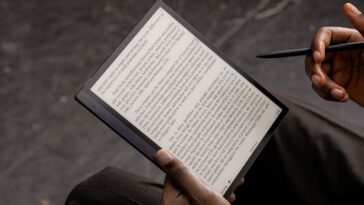
Unlike LCD screens that push light through pixels using a backlight, E Ink screens work in a completely different way. Electronic ink mimics the appearance of ink on paper, creating a paper-like surface that looks and feels similar to a paper book.
Instead of emitting light, E Ink’s epaper relies on ambient light, reflecting light from the environment. This means no harsh glare, no flicker, and no blue light emission shining from the front of a screen.
At a technical level, an electric field is applied inside the display to move black and white particles to the surface of the display, forming display text and images that remain visible without constant power. This passive behavior is why E Ink devices are easier to read, even for extended sessions.
Why LCD Screens Tire the Eyes
Most LCD screens emit significant amounts of blue light, especially in the evening. This blue light from displays forces the eyes to work harder, increasing stress on retinal cells and contributing to eye strain and fatigue.
Research shows that blue light exposure, particularly blue light near bedtime, interferes with melatonin production. This disruption negatively affects sleep and worsens eye fatigue the next day. Over time, prolonged exposure to blue light has also been linked to macular degeneration and other long-term eye issues.
Because light travels through the LCD and directly enters the eye, LCD screens trigger higher visual fatigue compared to reflective displays.
How E Ink Screens Reduce Eye Strain
The benefits of E Ink’s epaper are rooted in how the eyes naturally process information. When reading on E Ink screens, your eyes respond similarly to reading ink on paper.
Key benefits include:
- Reduce eye strain by eliminating flicker
- No harsh blue light or glare
- Lower risk of eye fatigue and dry eyes
- Easier on the eyes during long reading sessions
Studies cited by organizations like the National Institutes of Health and the National Library of Medicine highlight how reducing blue light exposure lowers adverse effects of blue light on vision and neurological health.
In fact, some findings suggest E Ink screens are three times healthier for extended reading compared to LCD display technology.
Paper-Like Reading That Feels Natural
Because E Ink epaper mimics the appearance of ink, it allows your eyes to relax. The display does not refresh constantly, does not pulse light, and does not overload the visual system.
This makes E Ink devices ideal for:
- Long reading sessions
- Studying and note-taking
- Reducing eye strain and fatigue
- People sensitive to blue light exposure
Reading on E Ink screens allows the brain to focus on content instead of processing artificial light, making reading easier to read and more immersive.
Blue Light, Sleep, and Eye Health
One of the biggest advantages of using E Ink is reduced blue light emission at night. Unlike phones, tablets, or laptops, E Ink devices do not blast significant amounts of blue light into your eyes.
This helps:
- Protect melatonin levels
- Improve sleep quality
- Reduce tired eyes
- Minimize eye fatigue before bedtime
Health researchers from the Harvard School of Public Health have repeatedly linked blue light exposure to sleep disruption and long-term eye stress, reinforcing why E Ink screens are better for nighttime reading.
Are E Ink Screens Better Than LCD Screens?
Yes—especially for reading and text-heavy tasks. While LCD screens are necessary for video and color-rich content, they are not ideal for long reading sessions.
E Ink screens are better for your eye health because they:
- Emit little to no blue light
- Reduce eye strain and eye fatigue
- Mimic ink on paper
- Do not shine light directly into your eyes
This is why epaper devices are increasingly used by students, professionals, and readers who want a healthier alternative to conventional digital screens.
Final Thoughts: A Healthier Way to Read
The science behind E Ink is clear. By eliminating backlight glare, reducing blue light from displays, and offering a paper-like reading experience, E Ink screens support long-term eye health and wellness.
If you spend hours reading, studying, or working with text, switching to E Ink technology can significantly reduce eye strain, prevent tired eyes, and protect your vision in a world dominated by glowing screens.
E Ink’s epaper isn’t just easier on the eyes—it’s better for your overall digital well-being.
Buy BOOX e-readers at https://ereaders.co.nz/